
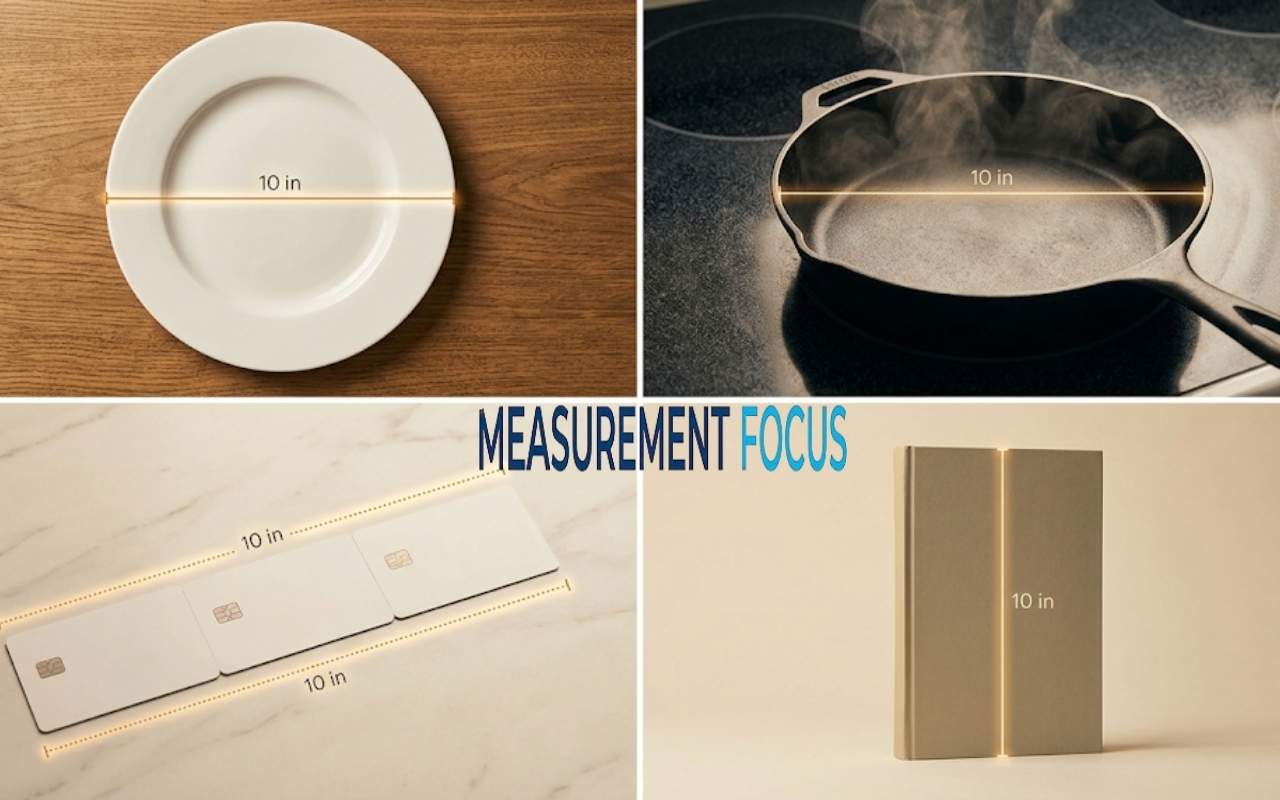
Ever wondered what 10 inches actually looks like without reaching for a ruler? It is a surprisingly common measurement, but it can be difficult to visualize. From cookware and furniture to packages and everyday items, knowing what 10 inches looks like can make measuring much easier.
In this guide, you will discover 19 real-world objects that are close to 10 inches, organized by category with accurate measurements. No vague comparisons or made-up estimates just practical examples you can actually picture and use.
Why 10 Inches Is a Trickier Measurement Than You would Guess
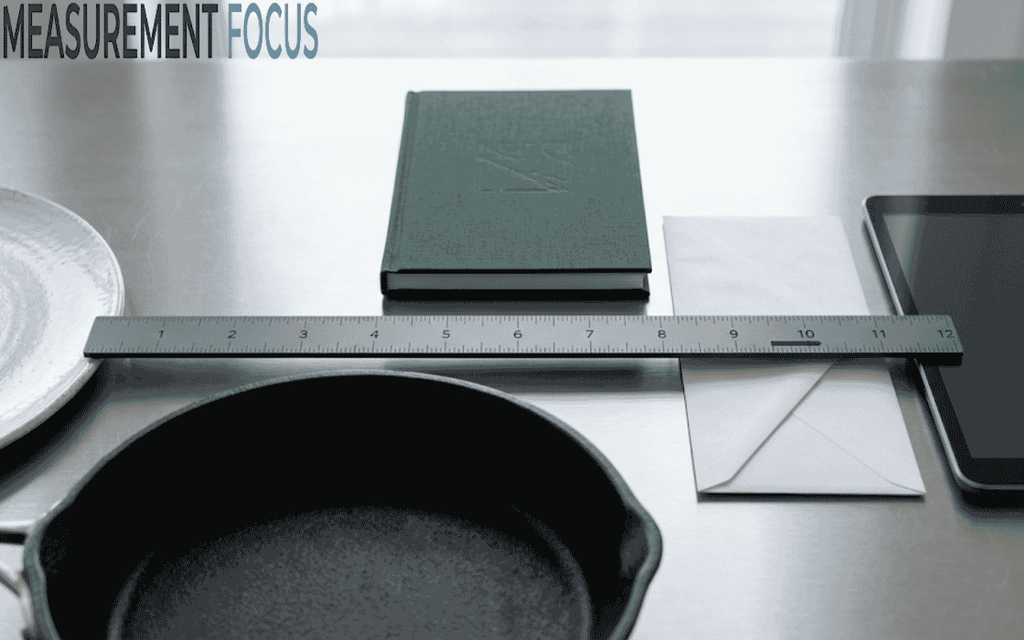
Here is the thing about the 10 inch measurement: it does not map onto anything we naturally carry with us. A foot is a foot, and an inch is a thumb’s width, but 10 inches is not a handspan or a stride. It is a manufactured length that shows up constantly in kitchenware, packaging, and paper goods.
A visual guide like this one helps because a handful of ten-inch objects locked into memory becomes a measuring tool you carry everywhere. Designers eyeball furniture fit this way, and chefs size up pans the same way. “It is about the size of a dinner plate” always beats “it is 25.4 centimeters.”
10 Inches in Other Units (Quick Reference)
Before diving into the object list, here is the exact measurement guide for converting 10 inches into the units you will actually run into:
| Unit | Equivalent |
|---|---|
| Centimeters | 25.4 cm |
| Millimeters | 254 mm |
| Feet | 0.833 ft |
| Yards | 0.278 yd |
| Meters | 0.254 m |
Keep this table handy. It will come in useful anytime you are comparing a US measurement to a metric one, which happens constantly if you are shopping internationally or following a recipe from a site that uses centimeters instead of inches.
Kitchen & Food Items That Measure 10 Inches
The kitchen might be the single richest source of 10 inch objects in the average home. Cookware, dinnerware, and food packaging all tend to land right around this length, mostly because it is an efficient size for both storage and serving.
1. A 10-Inch Chef’s Knife
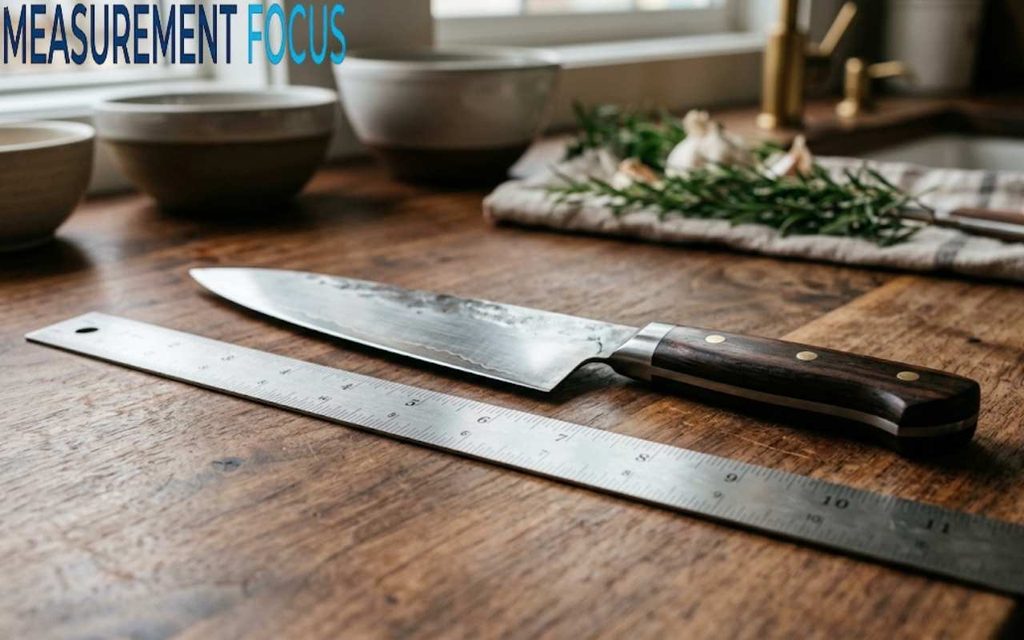
Professional chefs overwhelmingly reach for a 10-inch chef’s knife when they need serious cutting power. While the 8-inch version is more common in home kitchens, the 10-inch blade is the workhorse size in restaurant kitchens, where speed and leverage matter more than compact storage.
The extra length gives cooks a longer cutting edge per stroke, which adds up fast when you are breaking down a case of onions.
2. A Restaurant Plate
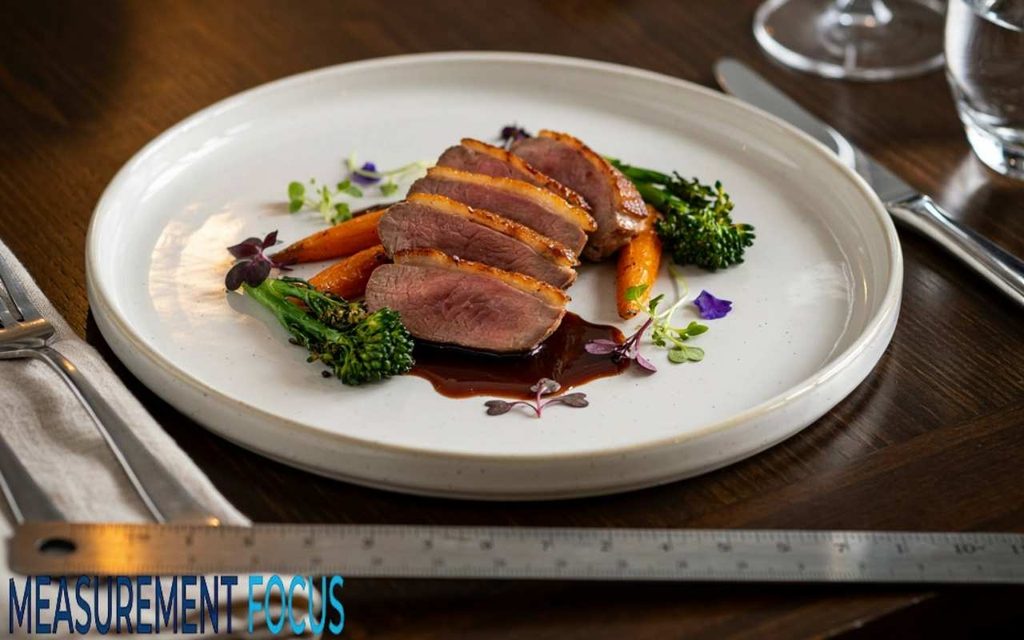
Walk into almost any sit-down restaurant and the dinner plate in front of you is probably measuring somewhere between 10 and 10.5 inches across. This is not an accident.
The foodservice industry standardized around this plate size decades ago because it is large enough to plate a full entrée with sides, without eating up excessive table space. If you want a familiar visual reference for 10 inches, your own dinner plate at home is probably one of the best places to start.
3. A 10 Inches Skillet
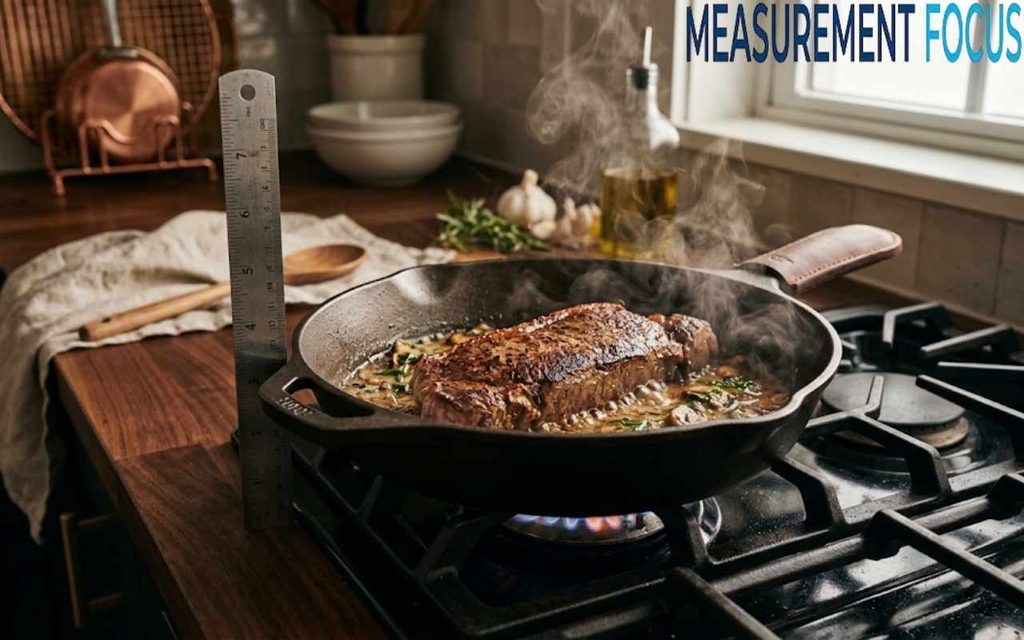
Ask anyone who cooks regularly and they will tell you the 10 inch pan is the most versatile size in the cabinet. A 10-inch skillet, whether it is cast iron, stainless, or nonstick, is big enough to sear two chicken breasts side by side but still small enough to store without eating up your whole cupboard.
It is the sauté pan most cooking schools recommend buying first, precisely because it splits the difference between a small 8-inch pan and a bulky 12-inch one.
“Buy the 10-inch pan first. It will handle 80 percent of what you cook, and you can always add a bigger one later.” a common line among culinary school instructors when advising new cooks on their first cookware purchase.
4. A Small Pizza

Pizzerias generally classify an 8 to 10 inch pie as their “small” or “personal” size, not medium as some size guides mistakenly claim. A 10-inch pizza typically serves one hungry adult or two people with a lighter appetite, and it is roughly the size of a large dinner plate laid flat.
5. A 10 Inches Bamboo Skewer
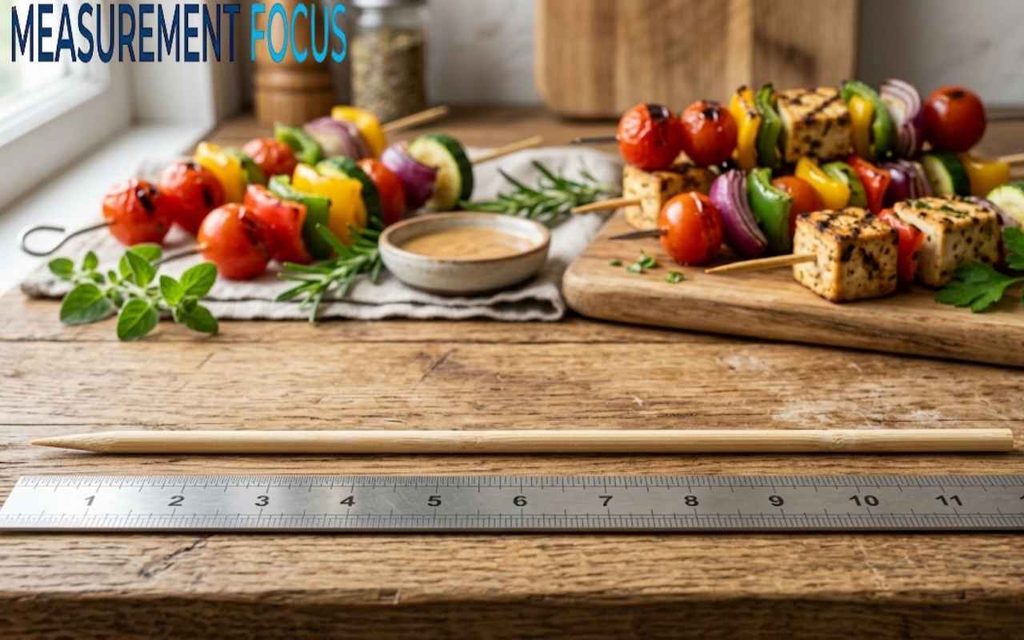
If you have ever grilled kebabs, you have probably handled a 10-inch skewer without realizing it. These are sold in bulk at nearly every grocery store specifically at this length, long enough to hold six or seven pieces of meat and vegetables, short enough to fit comfortably on a standard grill grate.
6. A Paper Towel Roll’s Height
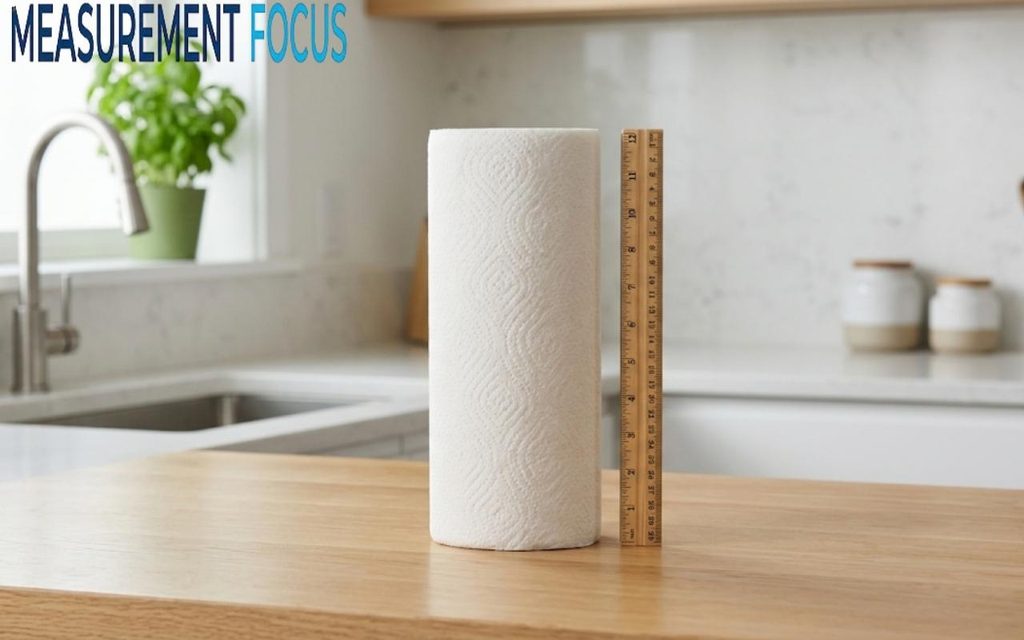
A standard paper towel roll stands close to 11 inches tall, which puts it just slightly over the 10 inch mark, but it is commonly cited as a household reference point anyway because the difference is barely noticeable to the eye.
If you are picturing the towel roll height on your kitchen counter right now, you are picturing something extremely close to ten inches, and it is one of the most reliable everyday items for eyeballing this length at a glance.
Everyday Household & Office Items
Beyond the kitchen, plenty of household items and daily objects line up neatly with the 10 inch measurement too. These are the ones you will bump into in an office drawer, a mail pile, or a junk drawer.
7. A 10×13 Inch Envelope
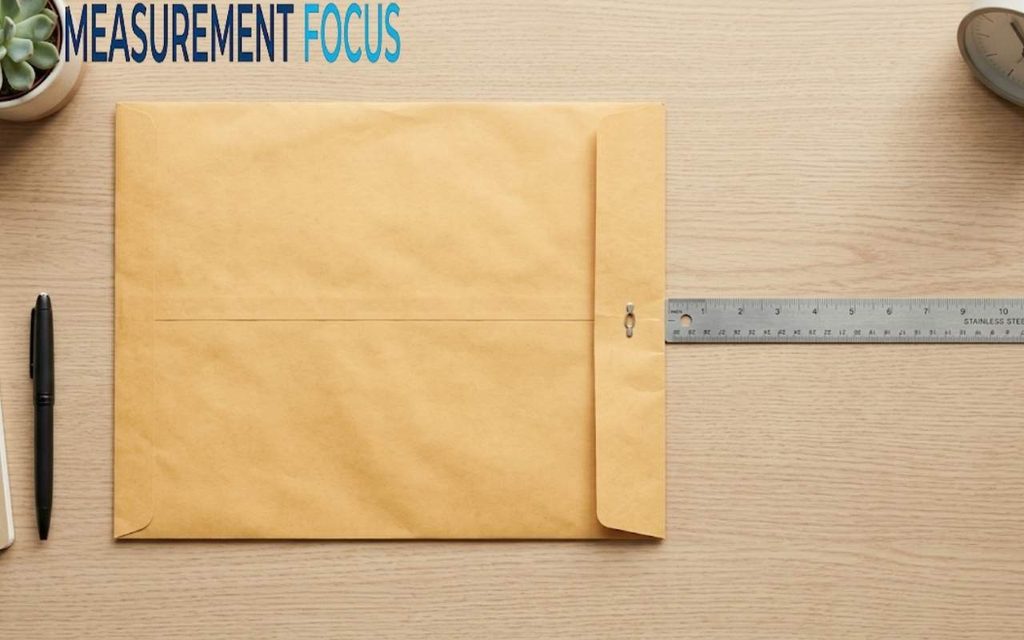
Mailers and shipping envelopes commonly come in a 10×13 size, and this is an exact, industry-standard dimension rather than a rough estimate. If you have ever mailed a resume, a set of documents, or a small poster, there is a good chance you have handled one of these large envelopes.
8. Two Index Cards, End to End
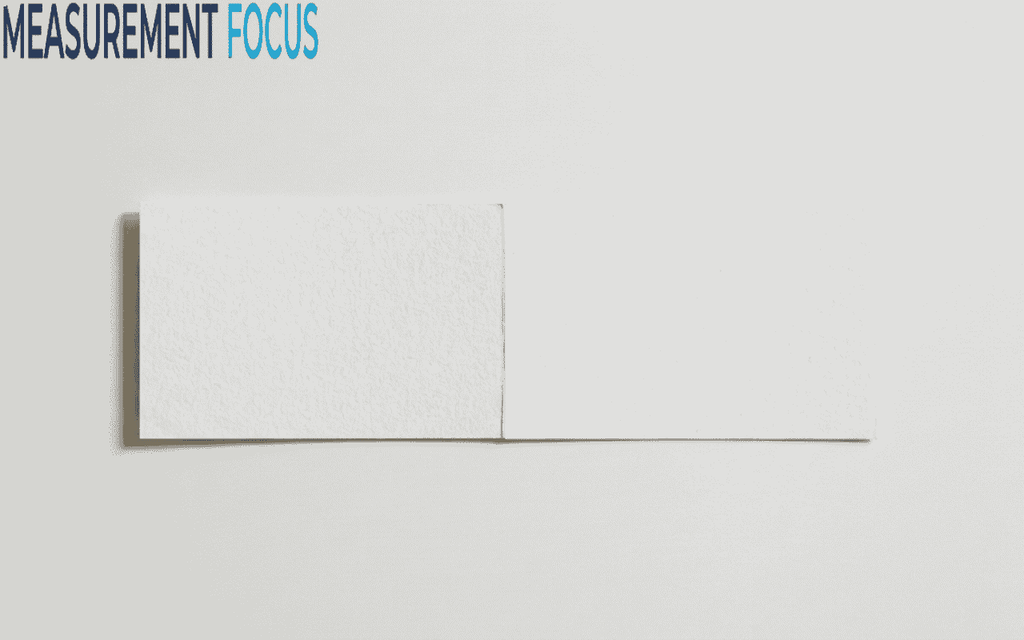
Standard index cards measure 5 by 3 inches. Line two of them up end to end and you land precisely on 10 inches, making this one of the more exact and easy-to-replicate size comparisons on this list. It is also a handy trick if you need a rough measuring tool and do not have a ruler within reach.
9. Three Credit Cards Side by Side
Here is a fun one. A standard credit card measures 3.37 inches long. Lay three standard credit cards end to end and you get roughly 10.1 inches, remarkably close to the mark. Next time you are waiting in line and want a mental size reference, your wallet is doing double duty as a card measurement tool.
| Item | Individual Length | Total (Stacked) |
|---|---|---|
| One credit card | 3.37 in | 3.37 in |
| Two credit cards | 3.37 in each | 6.74 in |
| Three credit cards | 3.37 in each | 10.11 in |
10. A Standard iPad’s Diagonal Screen
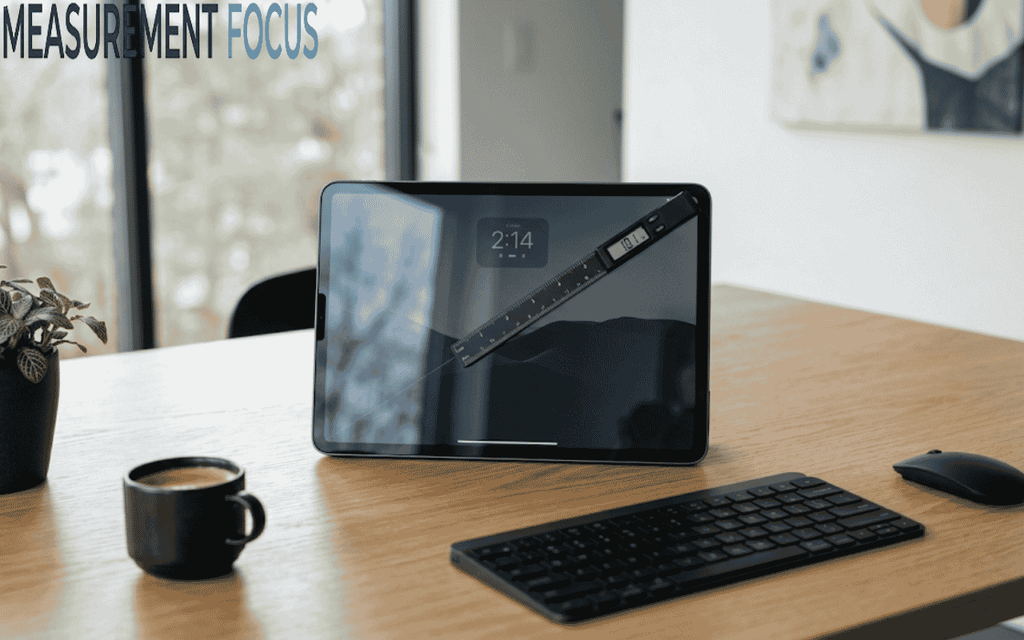
Most standard iPad models measure between 10.2 and 10.9 inches diagonally, depending on the generation.
It is worth being precise here: this measurement refers to the screen’s diagonal, not its length or width, so it is a slightly different kind of size reference than a straight-line measurement. Still, if you are holding a full-size iPad, you are holding an object whose signature spec is right at the 10 inch mark.
11. A Standard Ruler
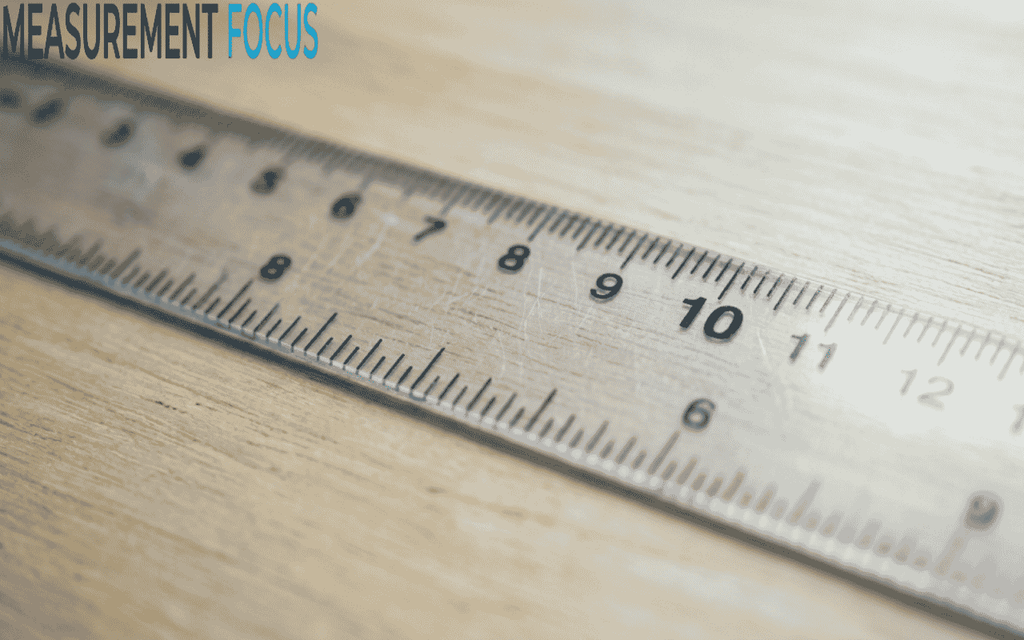
This one might feel almost too obvious to mention, but it is genuinely one of the most useful entries here. Most standard rulers sold in the US measure 12 inches total, and the 10 inch mark sits just shy of the far end.
If you have got a ruler nearby, you have got an instant, dead-accurate visual reference for exactly how long 10 inches really is, better than any comparison object, since it is the actual measuring device the number comes from.
12. A Hardcover Book’s Height
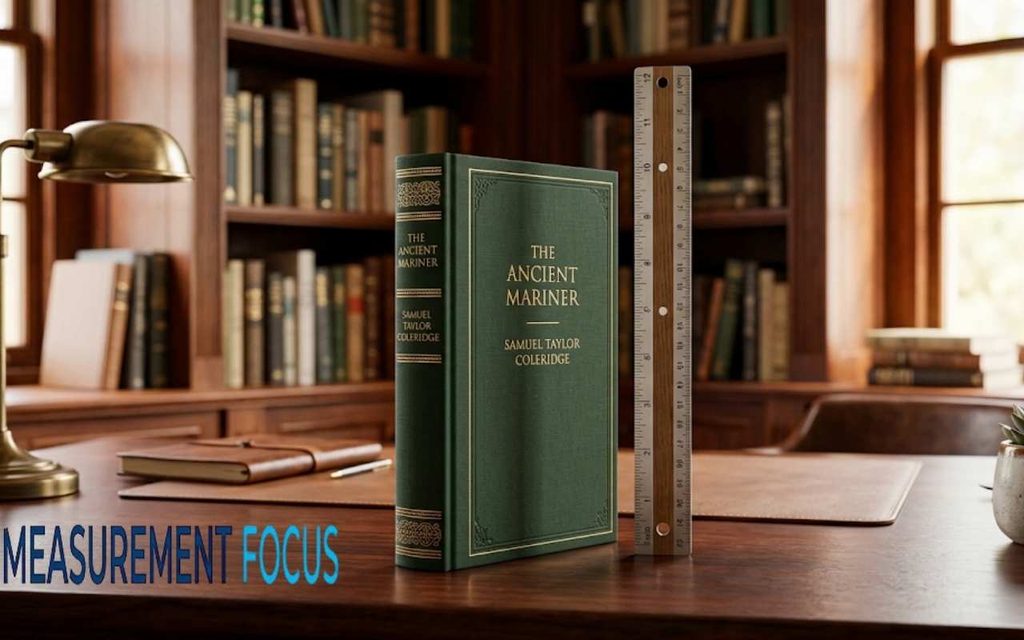
Many hardcover books, particularly larger nonfiction titles, coffee table books, and some textbooks, stand close to 10 inches tall, though this varies more than most items on this list.
A standard hardcover novel tends to run smaller, closer to 9.25 inches, so this is more of an estimate than an exact measurement. Still, larger hardback books are common enough in most households that they are worth including as a rough size guide.
Clothing, Body & Miscellaneous 10 Inches Size Comparisons
Some of the most practical size comparisons come from things attached to your own body, or things you are wearing right now.
13. A Man’s Large Shoe
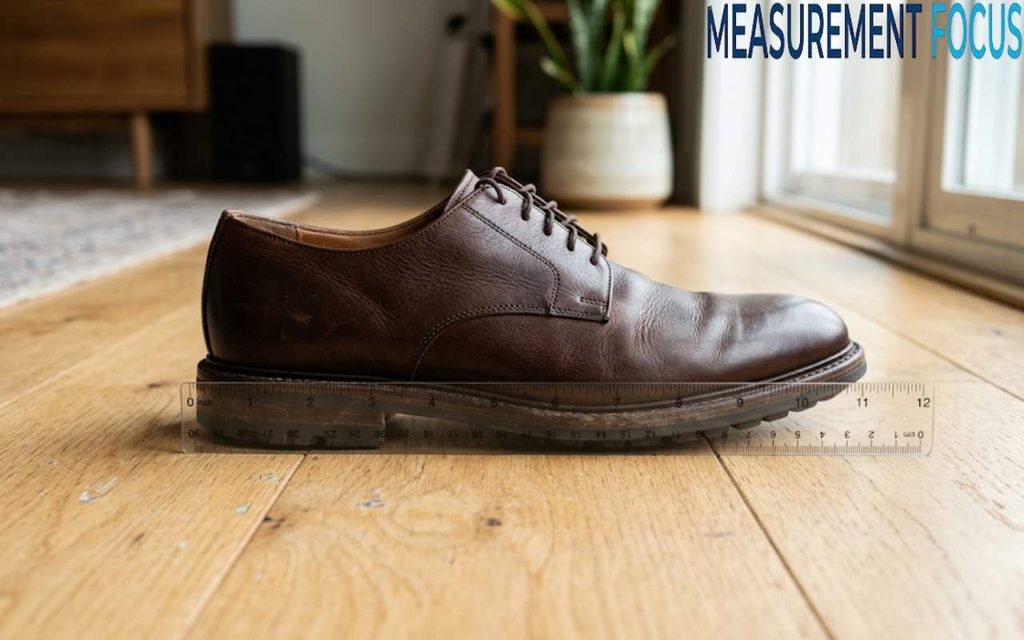
A men’s US size 10.5 to 11 shoe typically measures close to 10 inches from heel to toe on the insole. Shoe sizing is not perfectly standardized across brands, so this is an approximate figure, but it is a genuinely useful one if you are trying to eyeball a length using something you are already wearing.
14. An Adult Hand Span
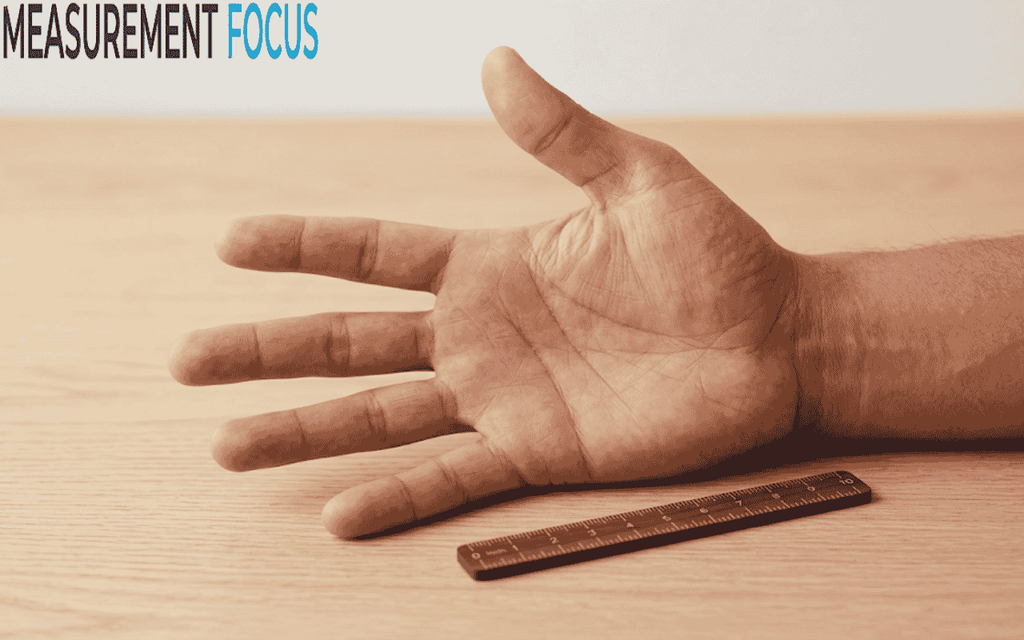
Stretch your hand out fully, thumb to pinky, and you are looking at what is called an adult hand span. For most adults, this measures somewhere between 8.5 and 10 inches, with larger hands landing right around the 10 inch mark and smaller hands falling a bit short.
It is not an exact measurement tool, since hand size varies person to person, but it is one of the most portable size estimate methods there is, because you are always carrying it with you.
15. A Laptop’s Keyboard Deck
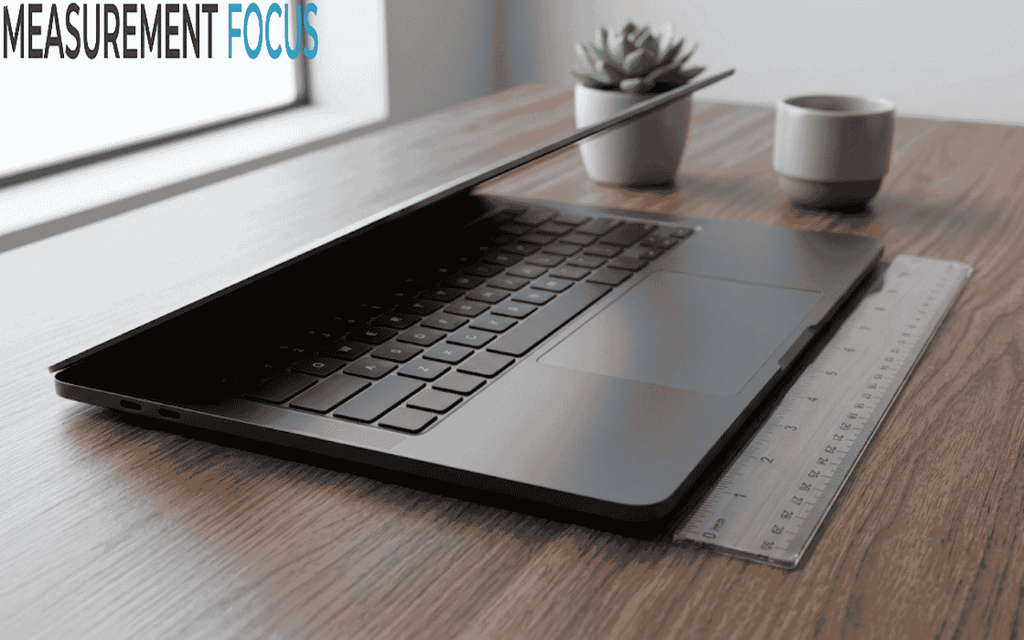
On most 13-inch ultrabooks, the keyboard deck, meaning the flat section housing the keys, measures roughly 10 to 11 inches across. If you are sitting at a laptop right now, glance down at the keyboard section (not including the trackpad or bezels) and you are looking at something very close to this length.
16. A Footlong Sub, Cut in Half
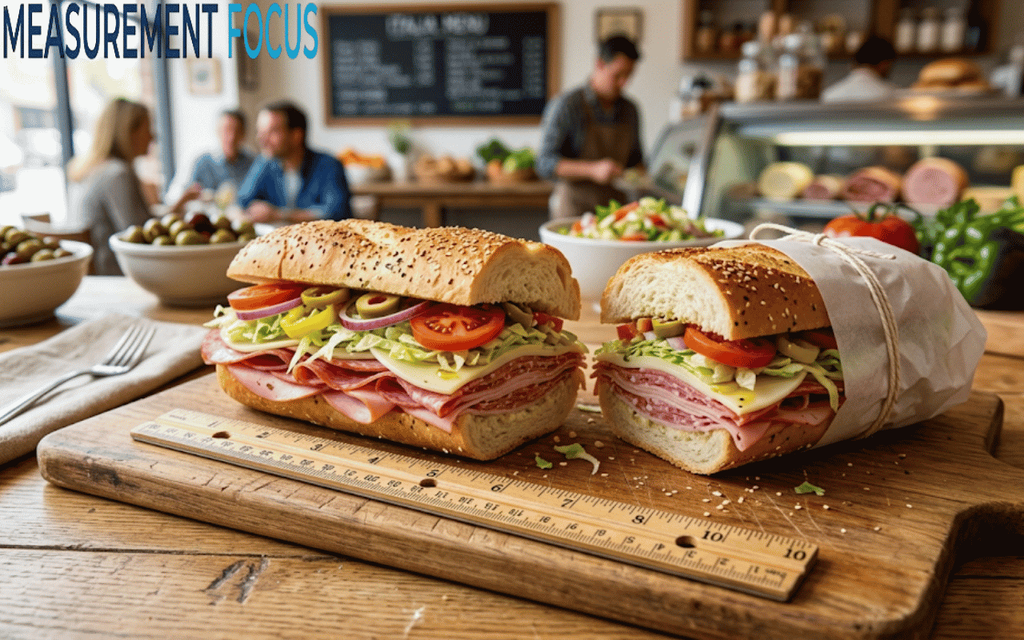
Grab a standard 12-inch sub sandwich and slice it in half, and each half measures close to 10 inches, sometimes closer to 6 depending on exactly where you cut, but it is a fun and genuinely relatable comparison since most people have handled a sub sandwich at some point.
17. A Large Grapefruit’s Circumference
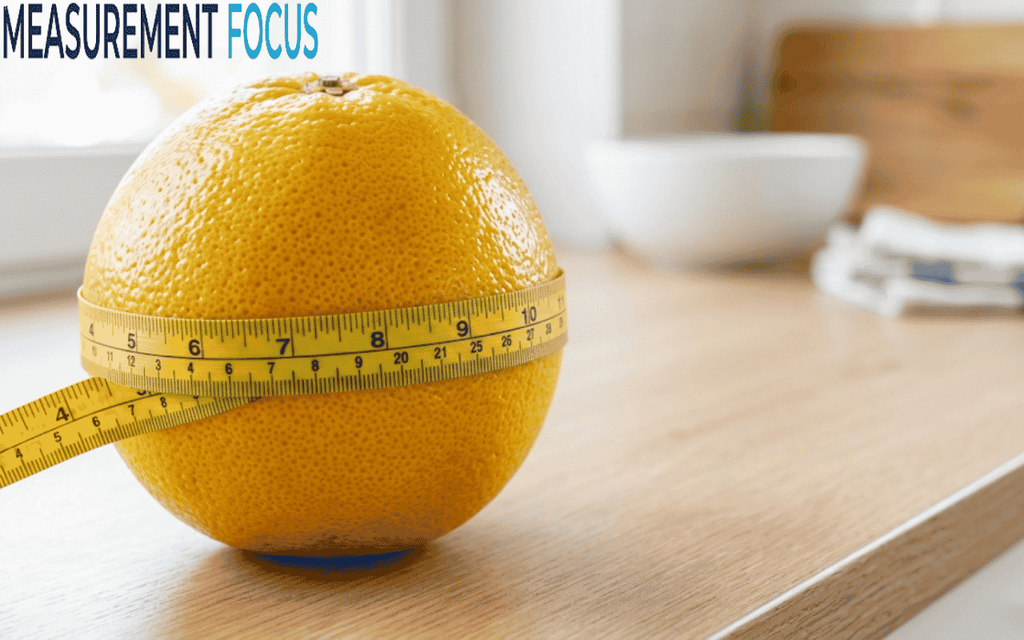
A large grapefruit typically measures close to 10 inches around its circumference, not across its diameter.
This distinction matters: circumference is the distance around the fruit, while diameter is the straight-line distance across it. It is a good reminder that not every measurement referenced in daily life is a straight-line length.
18. A No. 10 Business Envelope
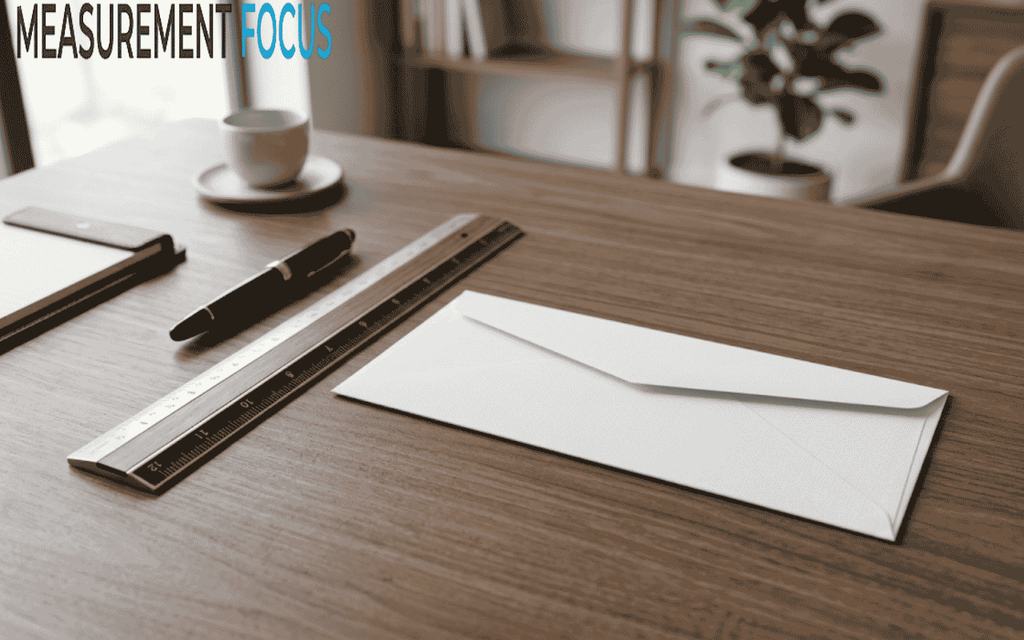
The No. 10 envelope, the most common size used for business correspondence and bills, measures 4.125 by 9.5 inches. The longer edge lands just under the 10 inch mark, close enough that this envelope size earned its name from the rounded-up figure.
19. A 10-Inch Vinyl Record
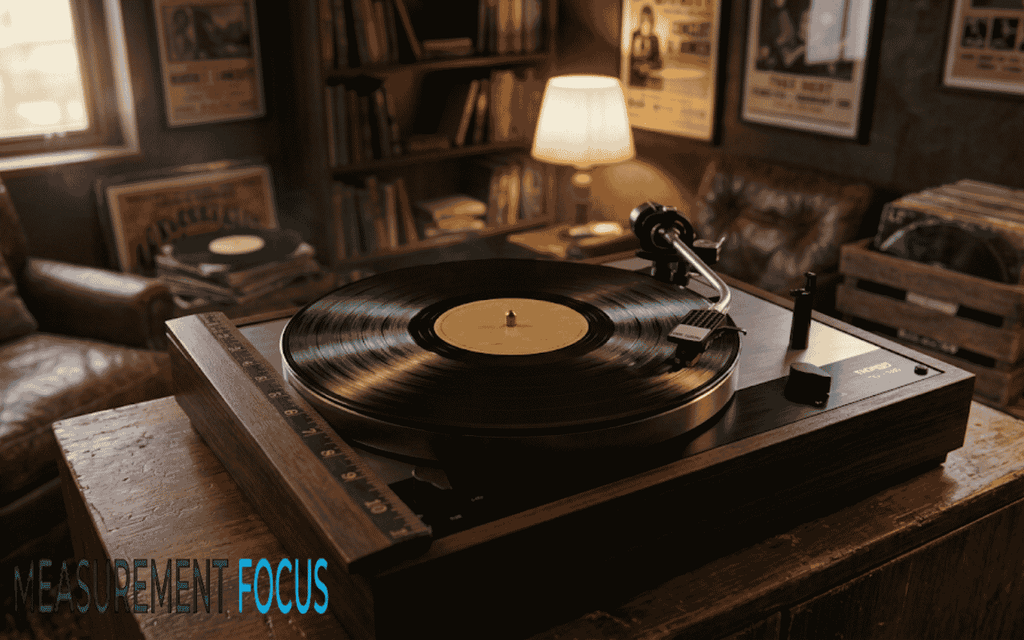
Vinyl records come in a few standard diameters, and one of them is, quite literally, called the 10-inch record.
This format was common for singles and EPs throughout the mid-20th century and has seen a resurgence among collectors. It is arguably the most literal entry on this entire list, since the object’s name directly states its measurement.
DIY Project: Build a 10-Inch Square Wall Frame
Once you have got a feel for what 10 inches actually looks like, here is a simple project that puts that knowledge to use.
Materials Needed
- Four pieces of 1×2 inch wood, cut to 10 inches each
- Wood glue
- A miter box or angled saw
- Sandpaper (120 grit)
- Picture-hanging hardware
- Wood stain or paint (optional)
Steps
- Cut your wood. Measure and cut four pieces of 1×2 wood to exactly 10 inches, using a miter box to angle each end at 45 degrees so the corners fit together cleanly.
- Dry-fit the frame. Arrange the four pieces into a square before gluing anything, checking that all corners line up evenly.
- Glue the corners. Apply wood glue to each mitered edge and press the corners together, using clamps or heavy books to hold the frame steady while it dries.
- Sand the edges. Once the glue has fully cured, sand down any rough spots or excess glue for a clean finish.
- Finish it. Apply stain or paint depending on the look you are going for, then let it dry fully before hanging.
- Attach hardware and hang. Add a picture hook or sawtooth hanger to the back, and you have got a finished 10-inch square frame ready for the wall.
Why 10 Inches Works So Well Here
A 10-inch square frame hits a practical sweet spot for wall art. It is large enough to serve as a real focal point on a wall, but small enough to group with other frames in a gallery layout without overwhelming the space.
It is also a size that standard mat boards and pre-cut glass panels are commonly sold in, which makes sourcing materials considerably easier than building around an odd, non-standard dimension.
Case Study: Why 10 Inches Matters in Real Life
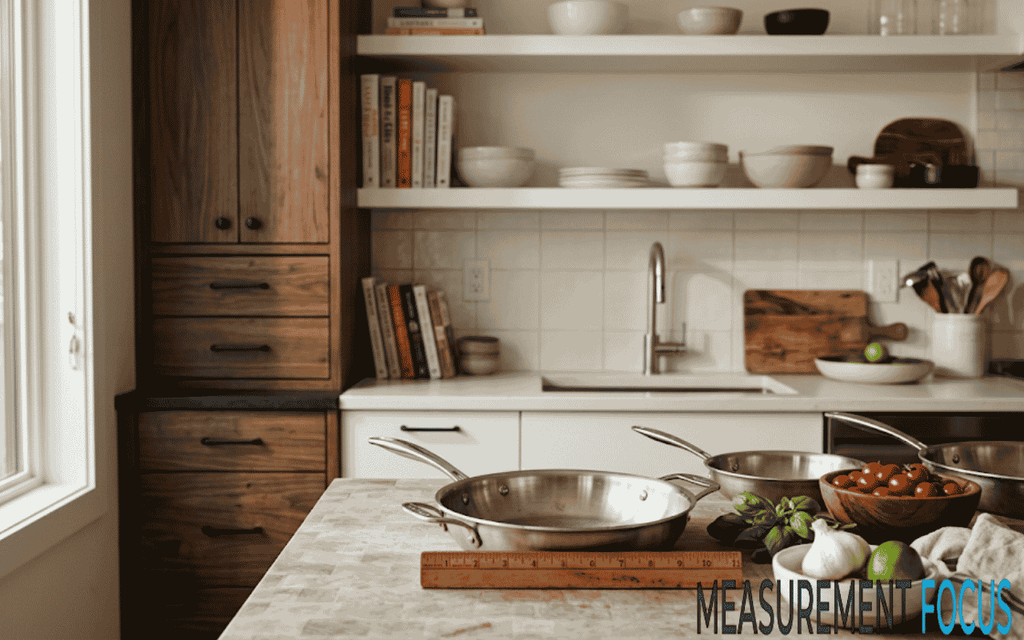
A Home Cook Chooses the Right Skillet
A beginner home cook is choosing between several skillet sizes and wants one that is useful for everyday meals without taking up too much cabinet space. A 10 inches skillet offers a practical middle ground: it is large enough for many common meals while remaining relatively easy to handle and store.
The same idea applies to other everyday objects. Once you understand what 10 inches looks like, you can estimate the size of a plate, book, envelope, tablet, or other object much more easily even when you do not have a ruler nearby.
The Practical Takeaway
This simple example shows why visualizing 10 inches is useful. Instead of thinking of it as just a number, comparing it with familiar objects makes the measurement easier to understand and remember.
Frequently Asked Questions
Got questions about how 10 inches stacks up in real life? Here are quick answers to the ones people ask most.
1. Is 10 inches bigger than a standard smartphone?
Yes. Most smartphones measure between 6 and 7 inches long, so 10 inches is noticeably longer, roughly the length of one and a half phones placed end to end.
2. How many 10 inch objects fit in a foot?
A foot is 12 inches, so a single 10 inch object leaves about 2 inches of extra room in a 12 inch space, close but not a perfect match.
3. Is a 10 inch pizza enough for two people?
It depends on appetite, but a 10 inch pizza generally works better as a single serving for one hungry adult, or a light meal split between two people.
4. Can I use a dollar bill to estimate 10 inches?
Not accurately on its own. A standard US dollar bill measures about 6.14 inches long, so you would need close to one and two-thirds bills laid end to end to approximate 10 inches.
5. Why do so many kitchen items land near 10 inches instead of a round number like 12?
Manufacturers often size cookware and dinnerware for practical handling and storage rather than round numbers, and 10 inches tends to hit a sweet spot between usability and compact size.
Final Thoughts
10 inches shows up far more often than most people realize, in the plate you eat off, the pan you cook with, the book on your shelf, and the cards in your wallet.
Once you have got even three or four of these reference points memorized, you have essentially got a built-in measuring tool that travels with you everywhere. Next time you need a fast size estimate and there is no tape measure in sight, you will already know exactly where to look.
10 Inches in Everyday Measurements: Quick Quiz
Think you have got a solid eye for size now? Put it to the test with this quick quiz; see how many of these 10-inch comparisons you can spot without peeking back at the answers above.
How many centimeters is 10 inches equal to?
a) 20.4 cm
b) 25.4 cm
c) 30.4 cm
d) 15.4 cm
How many standard credit cards, laid end to end, come closest to 10 inches?
a) Two
b) Three
c) Four
d) Five
What does a standard iPad’s 10-inch measurement actually refer to?
a) Screen diagonal
b) Total height
c) Total width
d) Keyboard case length
Roughly how tall does a standard paper towel roll stand?
a) 8 in
b) 9 in
c) 11 in
d) 14 in
What is the typical range for an adult hand span?
a) 4–6 in
b) 8.5–10 in
c) 12–14 in
d) 6–7 in
Answers: 1-b, 2-b, 3-a, 4-c, 5-b

I’m Joe Goldberg, the admin for the Measurement category at Measurement Focus. I focus on creating clear, practical, and easy-to-understand measurement content to help readers make sense of units, conversions, and everyday measurements.