
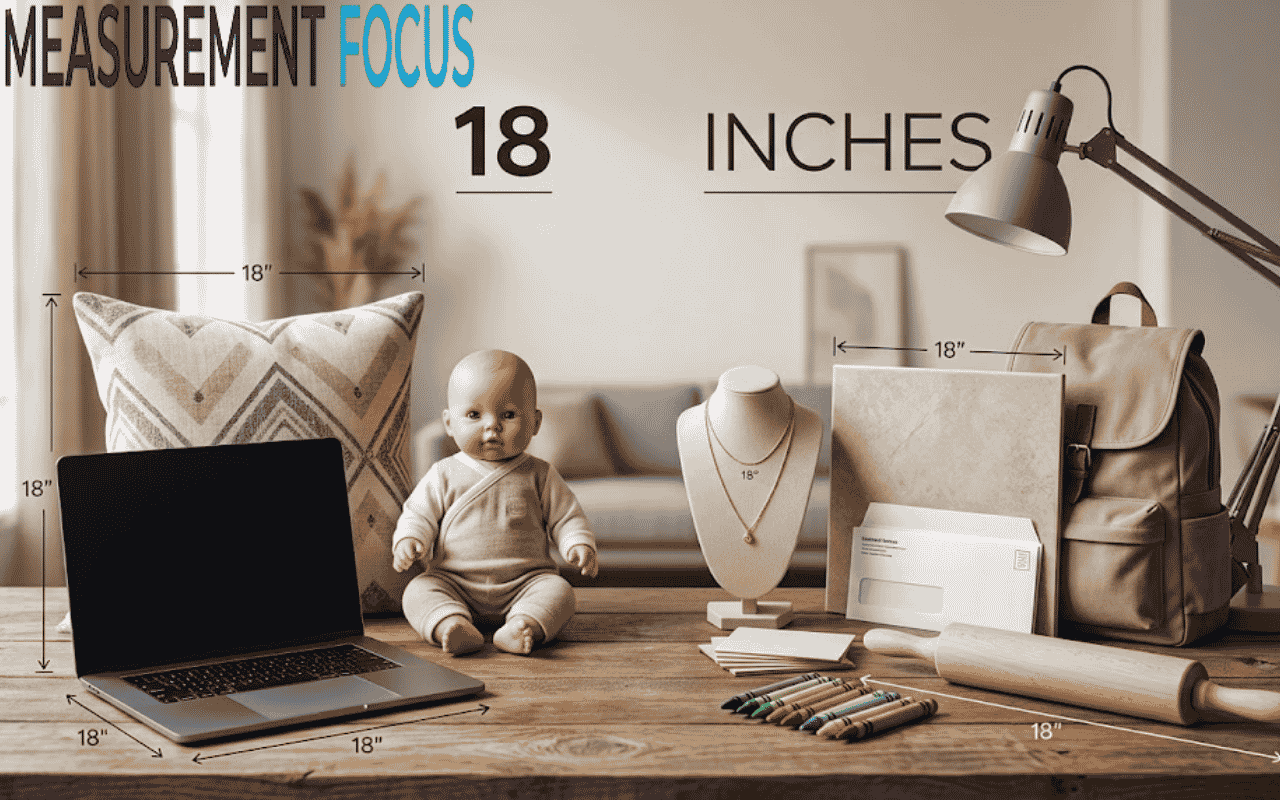
Ever tried to picture a length without grabbing a tape measure? Most people can picture an inch or a foot, but 18 inches can be harder to visualize. Is it big, small, or somewhere in between?
The good news is that 18 inches appears in many everyday objects around your home and beyond. This guide uses familiar items to help you understand exactly how long 18 inches really is.
We will cover common objects, a few surprising examples, and simple tricks for measuring 18 inches without a ruler. By the end, you will have an easy visual reference for this useful length.
How Long Is 18 Inches, Really?
Before jumping into examples, let us nail down the basics. The standard measurement for 18 inches breaks down like this:
| Unit | Equivalent |
|---|---|
| Inches | 18 in |
| Feet | 1.5 ft |
| Centimeters | 45.72 cm |
| Millimeters | 457.2 mm |
| Yards | 0.5 yd |
That is roughly a foot and a half, or about the length of two standard rulers with a bit to spare. It is not a huge measurement in the grand scheme of things, but it is long enough that you will notice it, and short enough that it fits comfortably on a desk, in a bag, or across a dinner table.
As far as standard dimensions go, 18 inches sits in an interesting sweet spot. It is too long to call “small” but too short to call “large.” Think of it as the Goldilocks zone of everyday measurements, useful for furniture, packaging, jewelry, and dozens of household products.
What Does 18 Inches Look Like?
Numbers alone can be difficult to visualize. A simple way to picture 18 inches is by using familiar objects or your own body as a reference.
Spread your hand from thumb to pinky, which is usually around 8–10 inches for adults. Repeat that span twice, or use your forearm plus about half its length, to get close to 18 inches.
You can also picture a shoebox standing upright or a men’s dress shoe box laid flat. These familiar references make it easier to estimate 18 inches without a measuring tape.
Everyday Objects That Are 18 Inches Long
Now let us get into the household items you will recognize immediately. These are the common items most people already own or interact with regularly, which makes them great practical examples for building a mental map of this length.
A Newborn Baby’s Length
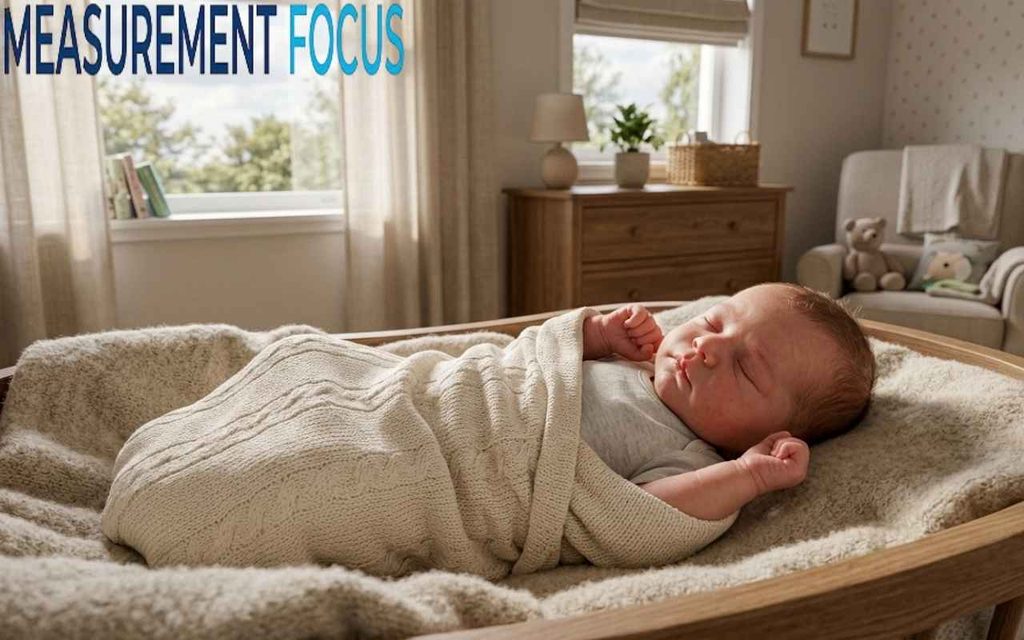
Newborns typically measure around 18 to 20 inches long at birth, making them a familiar way to picture this length.
So, when you imagine holding a newborn, you are getting a real-world reference for roughly 18 inches. This can make the measurement easier to understand than simply looking at a ruler.
It is an unexpected but memorable example of 18 inches in everyday life. Since many people have seen or held a newborn, it is an easy length to visualize and remember.
Throw Pillow
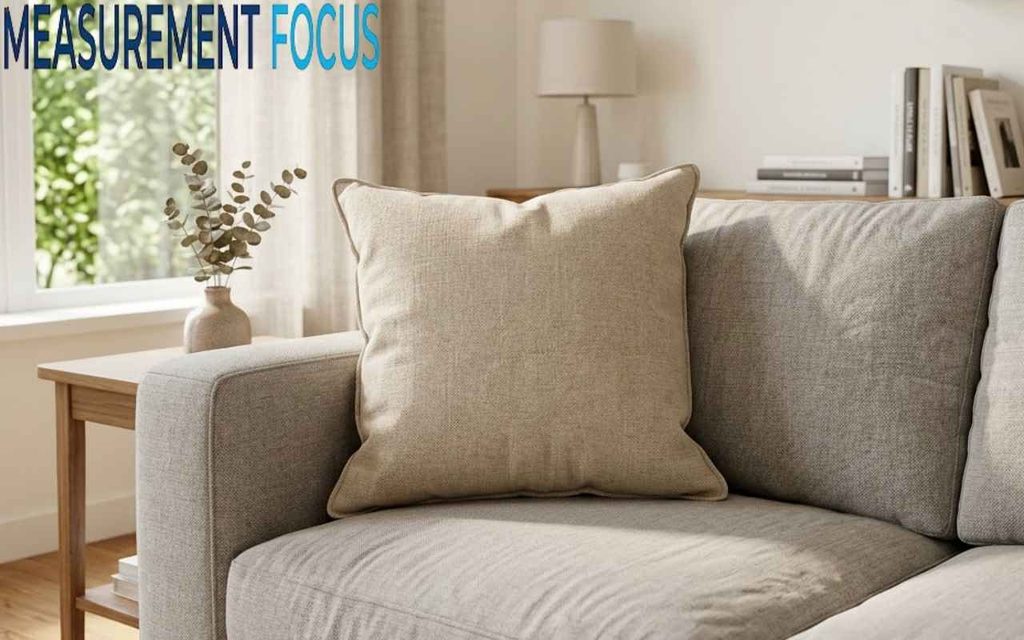
A standard throw pillow used on couches and beds typically measures 18 by 18 inches. It is actually one of the most common sizes sold in home decor stores, which makes it a genuinely reliable visual guide for this measurement. Next time you are pillow shopping, you are literally shopping for 18-inch squares.
Large Laptop (Width, Open)
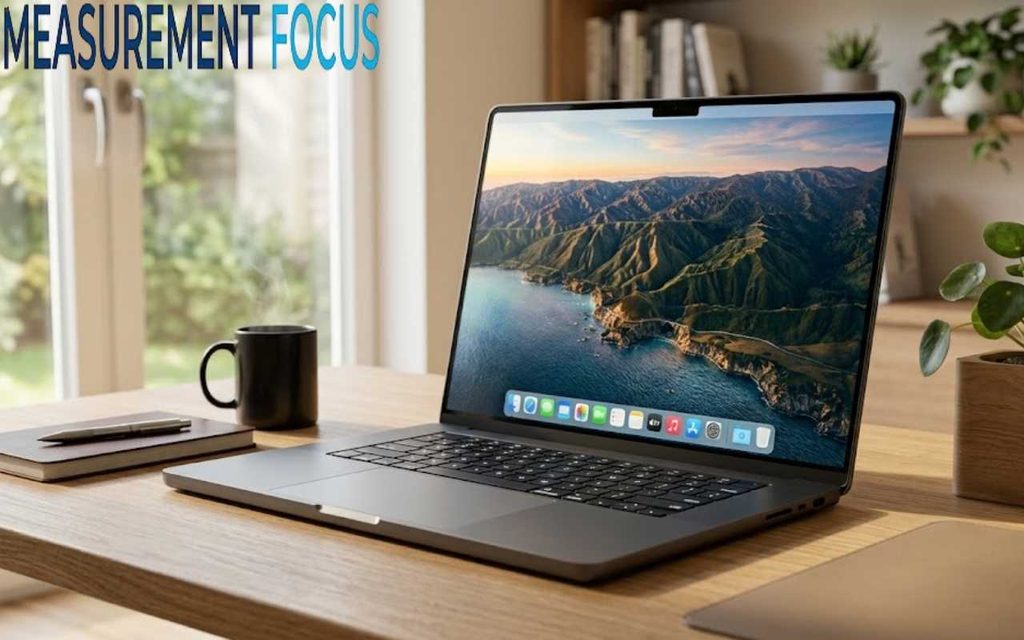
Larger laptops, especially 17-inch gaming or workstation models, often measure close to 18 inches wide when fully opened and measured screen-edge to screen-edge including the bezel and hinge. It is not exact across every brand, but it is a solid ballpark for anyone picturing a big laptop on a desk.
Baby Doll (18-Inch Size)
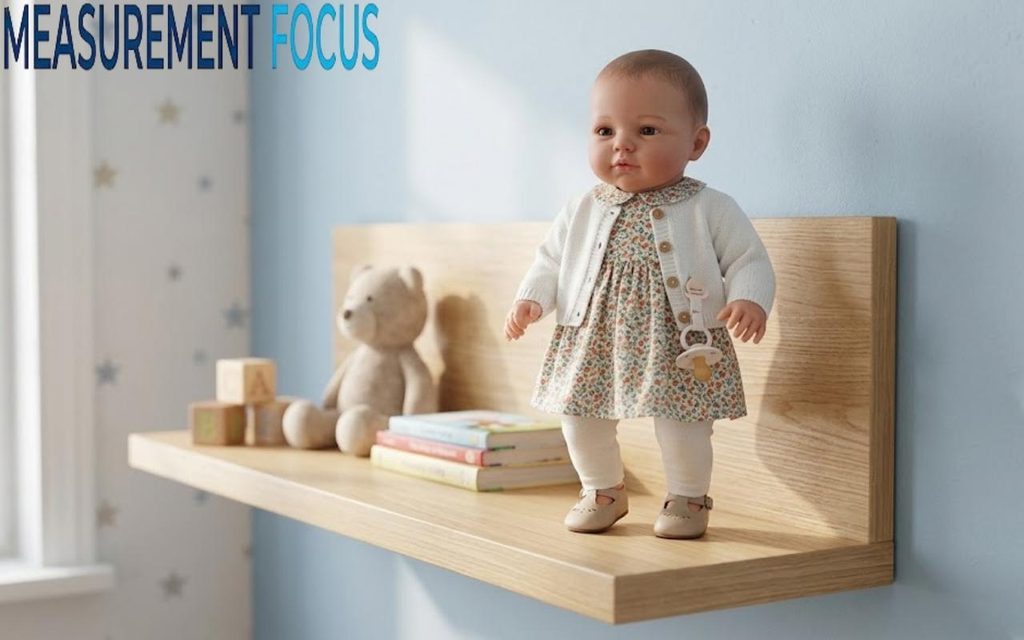
This one’s built right into the product name. Popular doll lines, including the well-known American Girl brand, specifically manufacture their dolls at 18 inches tall. It is become something of an industry standard size for collectible dolls, so if you have ever seen one of these in a store or at a friend’s house, you have seen 18 inches in action.
Princess Necklace (18-Inch Chain)
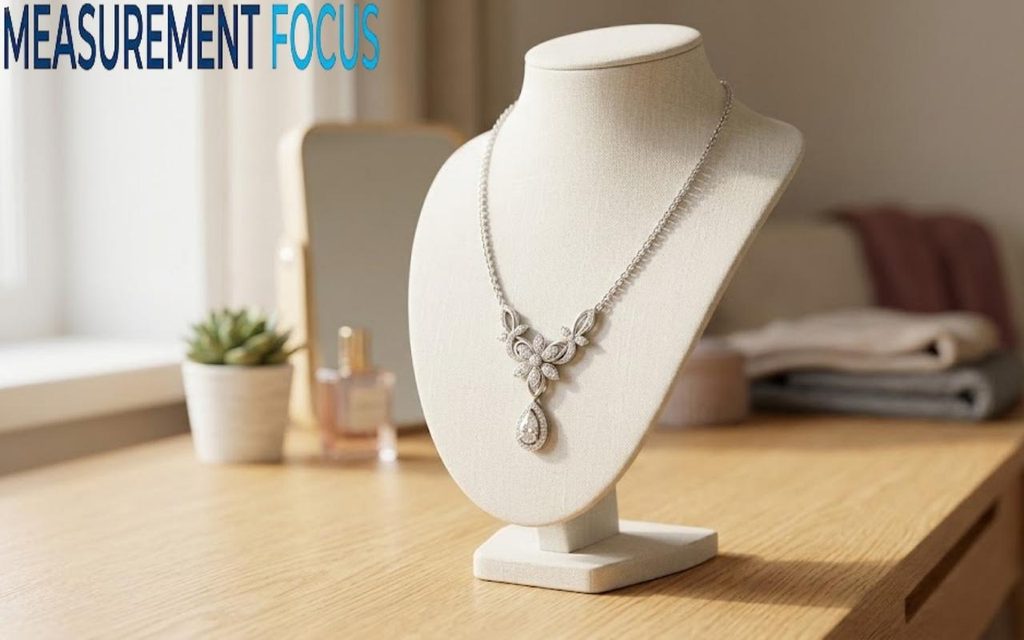
Jewelry sizing uses inches constantly, and the 18-inch chain length is one of the most popular “princess length” necklace sizes sold today. It typically sits right at or just below the collarbone, which is why it is such a go-to length for pendants and lockets.
Floor Tile (18×18 Inches)
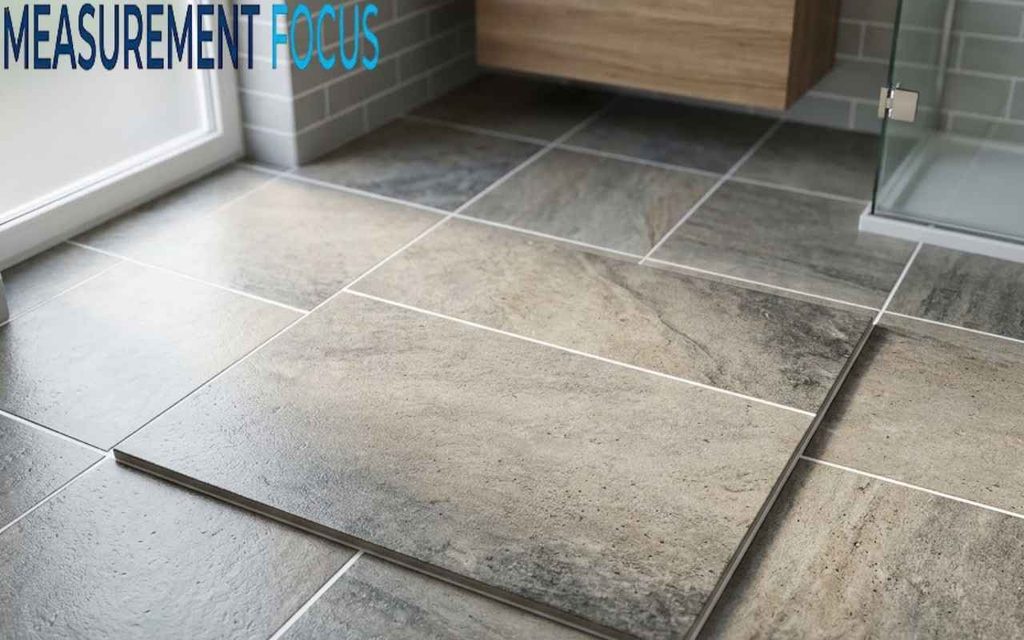
Walk into any home improvement store and you will spot 18×18 inch floor tiles stacked on pallets. This size is common in kitchens, bathrooms, and entryways because it covers ground efficiently without requiring too many cuts around edges and corners.
Four Standard Envelopes, Stacked Lengthwise
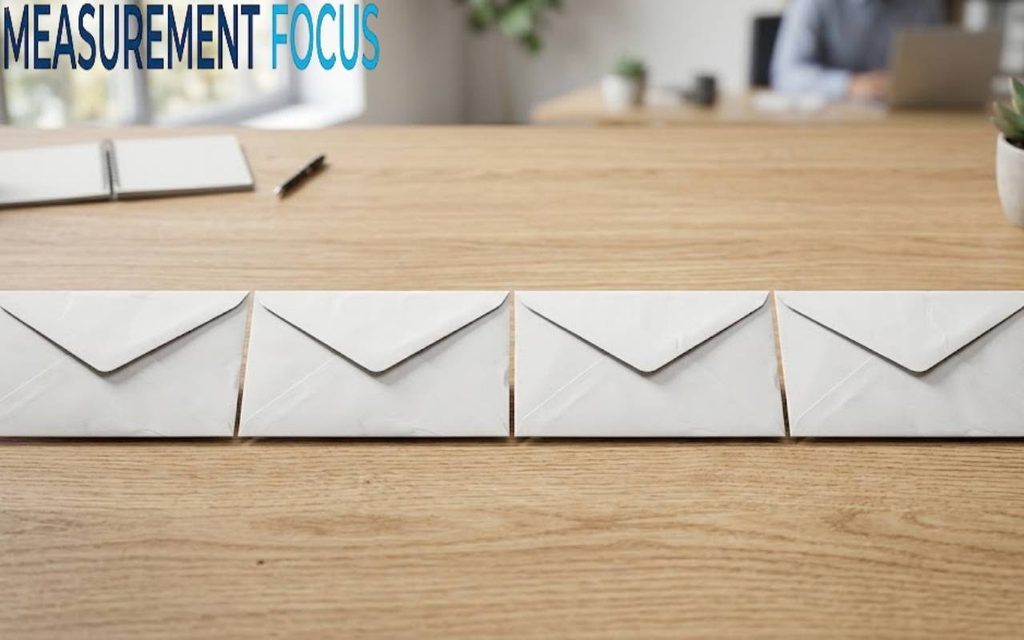
A standard #10 envelope measures about 4.125 inches long. Line up four of them end to end, and you land almost exactly at 18 inches. It is a quirky but genuinely useful way to measure objects using stuff sitting in your desk drawer right now.
Five Standard Crayons, Lined Up End to End
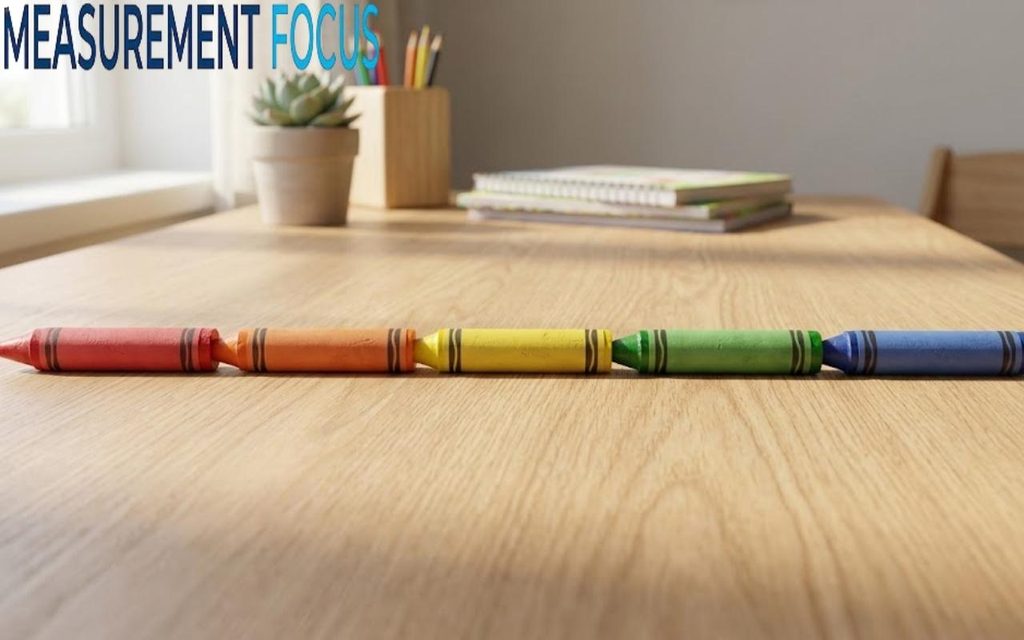
A basic Crayola crayon measures roughly 3.5 inches long. Line up five of them, and you are within an inch of 18. If you have got kids in the house, this is a fun, hands-on way to demonstrate the measurement without any tools at all.
See how long 10 inches really is.
A Ruler and a Half
A standard ruler measures exactly 12 inches. Add half of another ruler (6 inches), and you get 18 inches on the nose. This is probably the simplest measurement comparison on this entire list, since most people have a ruler within arm’s reach already.
Roughly 1.2 Times a Bowling Pin
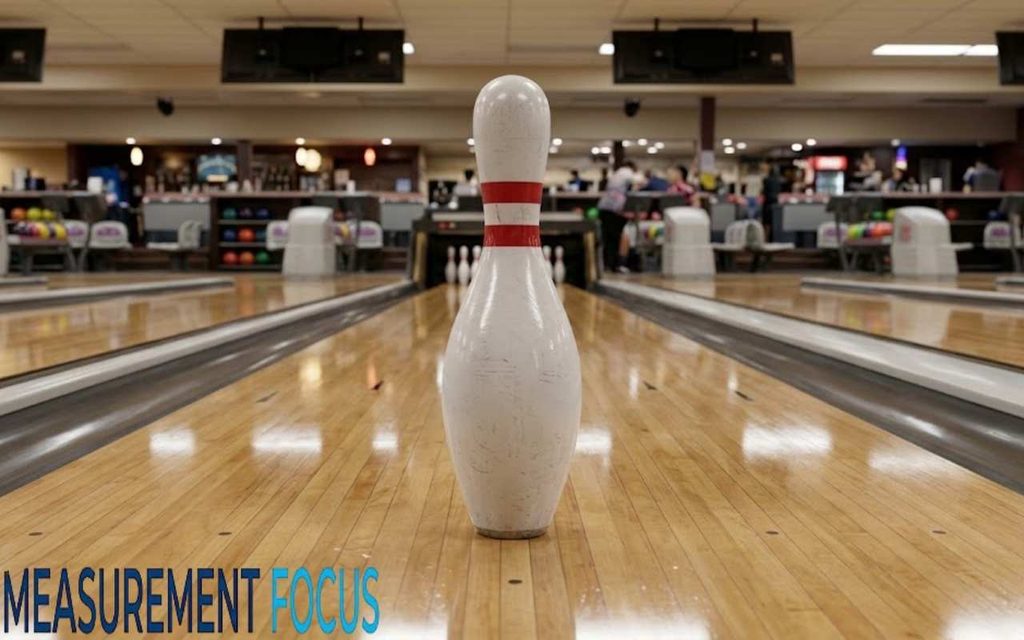
A regulation bowling pin stands about 15 inches tall. Multiply that by 1.2, and you land right around 18 inches. It is not a perfect one-to-one comparison, but for anyone who is ever bowled a game, it gives a rough, memorable frame of reference.
Skateboard Deck
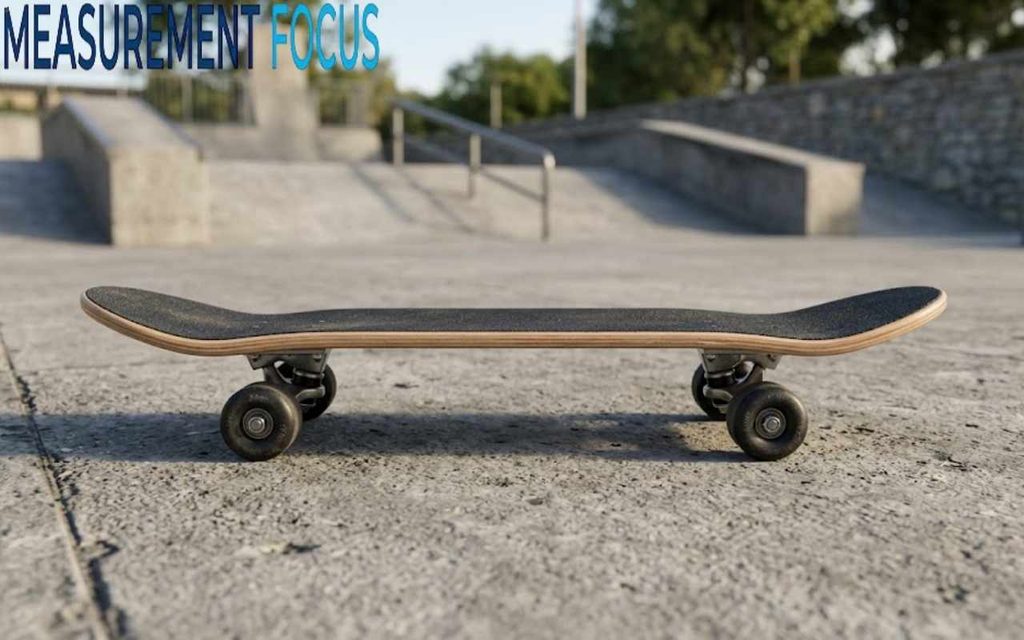
Skateboard decks usually measure 28 to 32 inches long, while their width is around 7 to 8 inches.
However, some mini and cruiser style boards can measure close to 18 inches long.
These compact designs vary by brand and style but provide a useful example of an 18-inch length.
Desk Lamp Arm
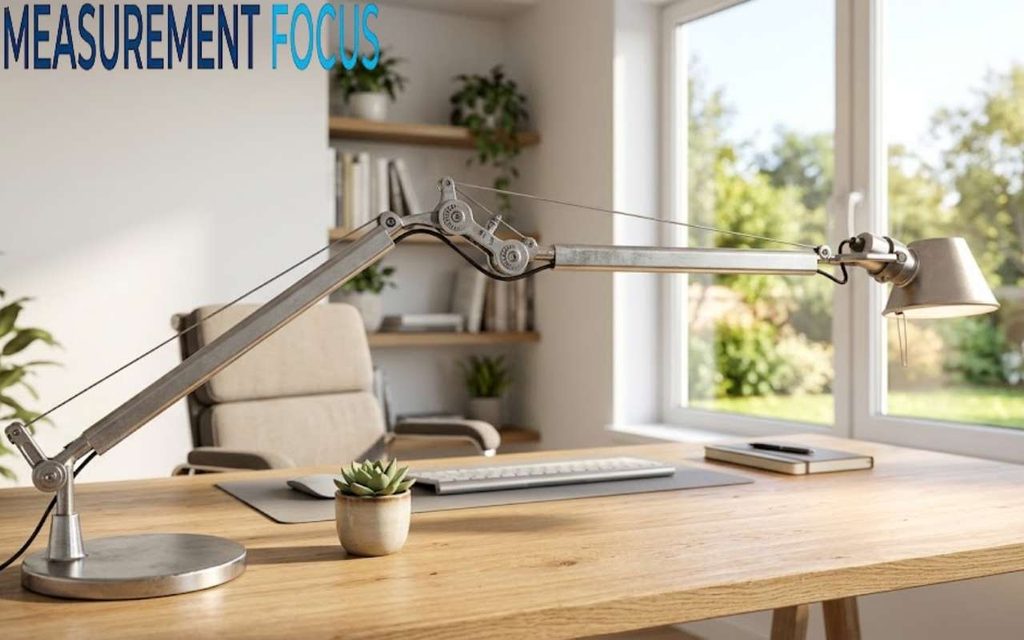
Adjustable desk lamps, especially the classic articulating-arm style, often extend to about 18 inches when fully stretched out. That reach is intentional, giving enough coverage to light up a full desk surface without the lamp base needing to sit awkwardly close to your work.
Wall-Mounted Towel Bar
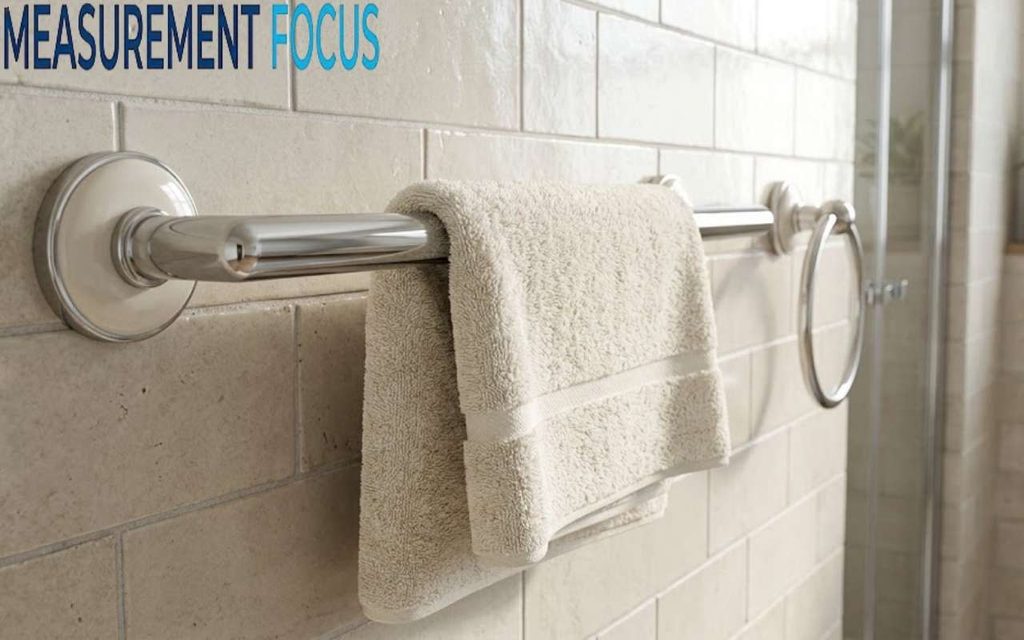
Bathroom towel bars commonly come in 18-inch lengths, especially for smaller bathrooms or secondary bars mounted next to a sink. It is a standard size you will find at nearly every hardware store, right alongside the 24-inch and 30-inch options.
Small Wooden Pizza Peel
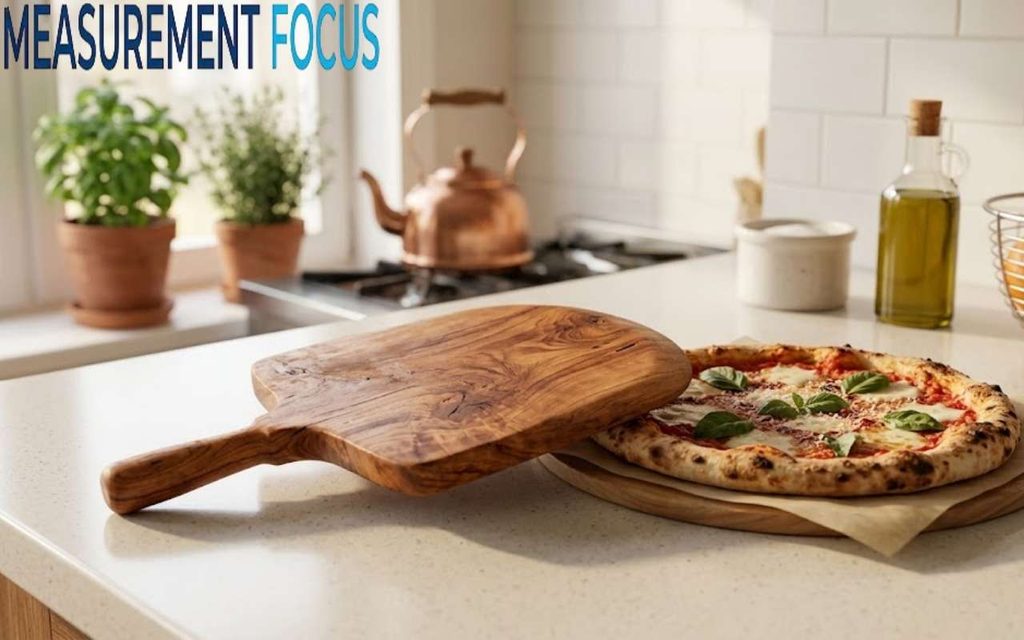
Compact wooden pizza peels, the flat paddle-shaped tools used to slide pizzas in and out of the oven, often measure around 18 inches from handle to tip. That length gives enough reach to safely work with a hot oven while still being easy to store.
Kitchen Cabinet Drawer Depth
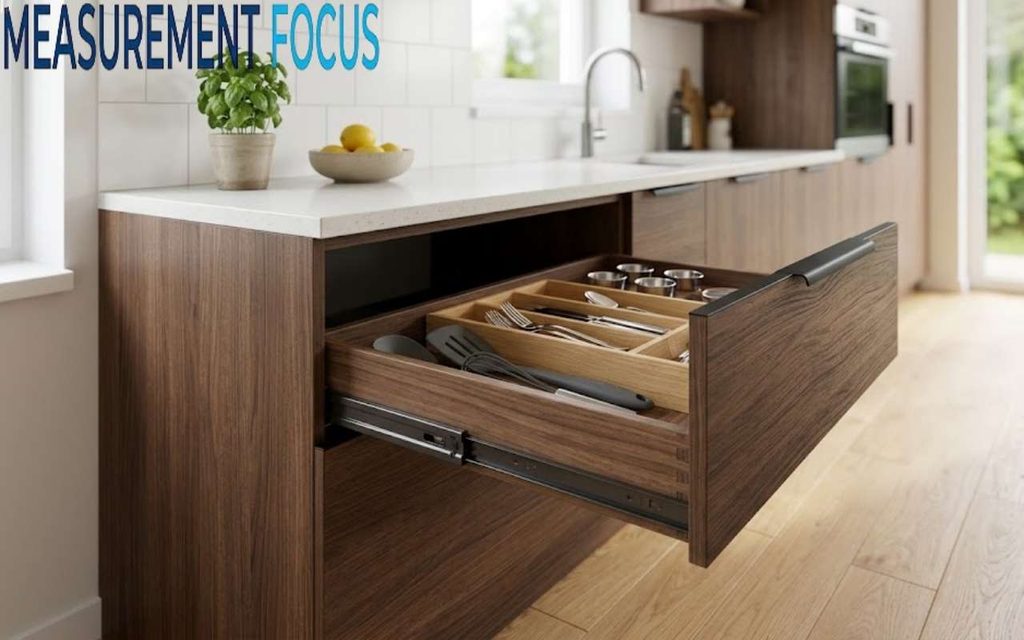
Standard kitchen cabinets often have drawer depths around 18 to 24 inches, depending on the cabinet style and manufacturer. It is one of those standard dimensions that most homeowners never think about until they are renovating a kitchen and suddenly need to know exact drawer specs.
Backpack Height
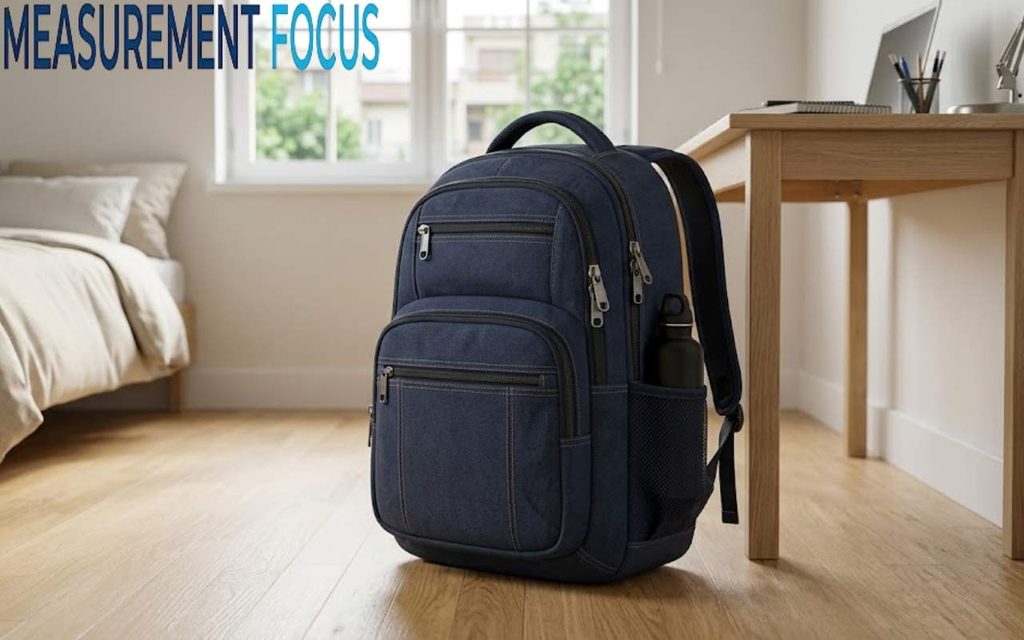
Many full-size backpacks, especially the kind built for school or daily commuting, measure close to 18 inches tall. That height fits a laptop, binders, and a change of clothes without becoming unwieldy to carry.
Rolling Pin
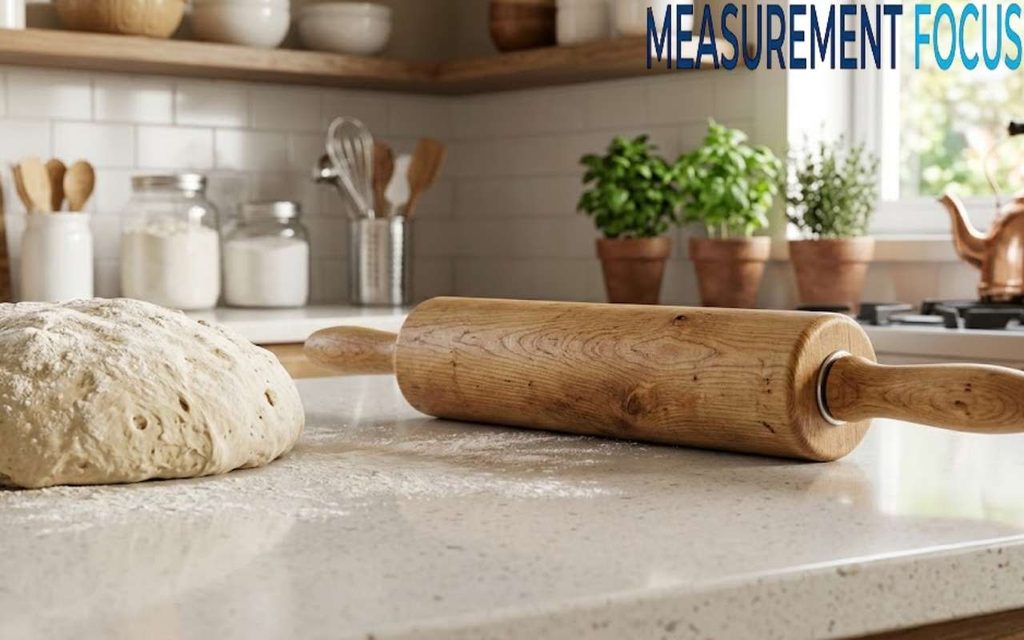
Standard wooden rolling pins, especially the classic dowel-style ones without handles, often measure around 18 inches long. That length gives enough surface area to roll out pie crusts and pizza dough in fewer passes.
Car Tire Diameter (Small and Compact Cars)
Tire diameters vary a lot by vehicle type, but several compact car models use tires with an overall diameter landing close to 18 inches. It is worth noting this is the tire itself, not just the rim size, which is usually measured separately.
How to Measure 18 Inches Without a Ruler
Sometimes you need a length without a ruler handy, and honestly, that happens more often than people expect. Here are a few reliable tricks:
- Use two hand spans. Spread your fingers fully and measure thumb tip to pinky tip twice in a row.
- Grab a sheet of paper. Standard printer paper measures 11 inches long. Add a smartphone (roughly 6 to 7 inches) alongside it, and you are close to 18.
- Use your forearm plus a bit more. Most adult forearms measure 10 to 12 inches from elbow to wrist. Add roughly half that again.
- Use a dollar bill trick. A US dollar bill measures about 6.14 inches long. Line up three of them, and you will land just shy of 18.
None of these are lab-precise, but for quick estimates, they get remarkably close. Estimating size this way builds a kind of internal ruler you carry around all the time, which is genuinely useful for shopping, packing, and home projects.
Why Knowing 18 Inches Actually Matters
This is not just trivia. Understanding a precise measurement like 18 inches has real, practical value:
- Furniture shopping. Knowing whether a nightstand, shelf, or ottoman will actually fit your space saves you from returns and rearranging.
- Shipping and packaging. Many shipping carriers use box dimensions, including 18-inch lengths, to calculate rates. Guessing wrong can cost you money.
- DIY and home improvement. Cabinet depths, tile sizes, and towel bar lengths all lean on this measurement constantly.
- Parenting and baby gear. Crib rail height, changing table dimensions, and baby product sizing frequently reference measurements in this range.
Once you have a strong sense of scale for 18 inches, a lot of everyday decisions get easier, and a lot of shopping mistakes get avoided.
Common Mistakes People Make With 18-Inch Measurements
A few things trip people up more often than you would expect:
- Confusing inches with centimeters online. International sites sometimes list measurements in centimeters without clearly labeling them, leading buyers to think an item is far larger or smaller than it actually is.
- Eyeballing instead of measuring. It is tempting to guess when buying furniture or appliances, but even a couple of inches off can mean something does not fit through a doorway or against a wall.
- Assuming “18-inch” labels are standardized. Doll brands, necklace chains, and even some furniture pieces labeled “18 inches” can vary slightly depending on the manufacturer, so it is smart to double-check exact specs before buying.
Avoiding these mistakes usually just takes an extra thirty seconds with a tape measure, but that small habit saves a lot of frustration down the line.
Try It Yourself: See What 18 Inches Looks Like
Here is a fun way to test your new skill. Grab any object nearby, guess its length using the tricks above, then actually measure it. Try a few of these:
- A dinner plate diagonally across
- Your laptop screen, open flat
- A shoebox
- The distance from your wrist to your shoulder
Compare your guess to the real number. Most people get surprisingly close after just a few tries, since the body and object comparisons above train your eye faster than you would expect.
Fun Facts About 18 Inches
- The inch as a unit dates back centuries, originally based on the width of a human thumb before standardization made it a fixed measurement.
- 18-inch pizza is a popular size at many pizzerias, often labeled “extra-large,” and it is one of the most searched food-related measurements online.
- In interior design, the 18-inch measurement is often called the “comfortable reach zone” for shelving, since it is close enough for most adults to grab items without stretching.
- A regulation dartboard hangs so its center (the bullseye) sits 5 feet 8 inches from the floor, and the throw line sits 18 inches out from the wall in some casual home setups, though official regulation distances differ slightly.
FAQs about 18 inches
Still have questions about 18 inches? Here are quick answers to some common questions about this measurement and how it compares to everyday sizes.
1. Is 18 inches the same as 1.5 feet?
Yes. 18 inches is exactly equal to 1.5 feet.
2. How many inches are in 2 feet?
There are 24 inches in 2 feet, which is 6 inches longer than 18 inches.
3. Is 18 inches considered a large measurement?
It depends on what you are measuring. For small household items, it can be fairly large, while for furniture or larger objects, it is relatively small.
Conclusion
From newborn babies to pillows, crayons, and floor tiles, 18 inches appears in many everyday objects. Using these familiar examples makes it much easier to picture and understand this length.
The next time you hear “18 inches,” you will have a clearer idea of what it looks like. With simple references like hand spans and common household items, estimating this measurement becomes much easier.

I’m Joe Goldberg, the admin for the Measurement category at Measurement Focus. I focus on creating clear, practical, and easy-to-understand measurement content to help readers make sense of units, conversions, and everyday measurements.